


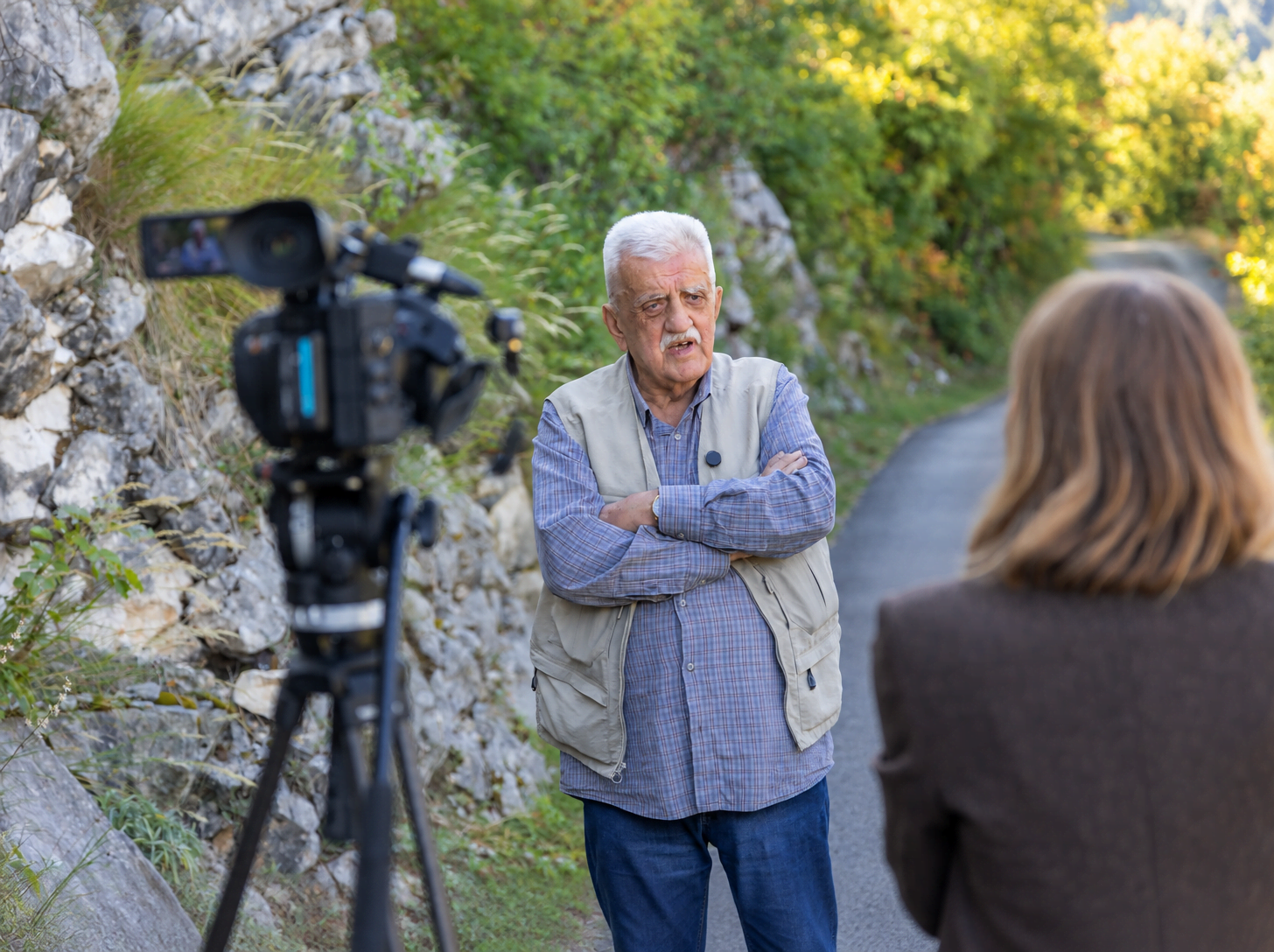
Cooperation with and the involvement of local communities are essential for nature conservation and the long-term management of protected areas, representatives of the NGO Environmental Programme (EnvPro) and residents of villages in the Cetinje area have emphasised.
Nataša Ilinčić, Project Coordinator and Junior Researcher at EnvPro, explained that designating an area as protected does not guarantee that its natural values will be preserved.
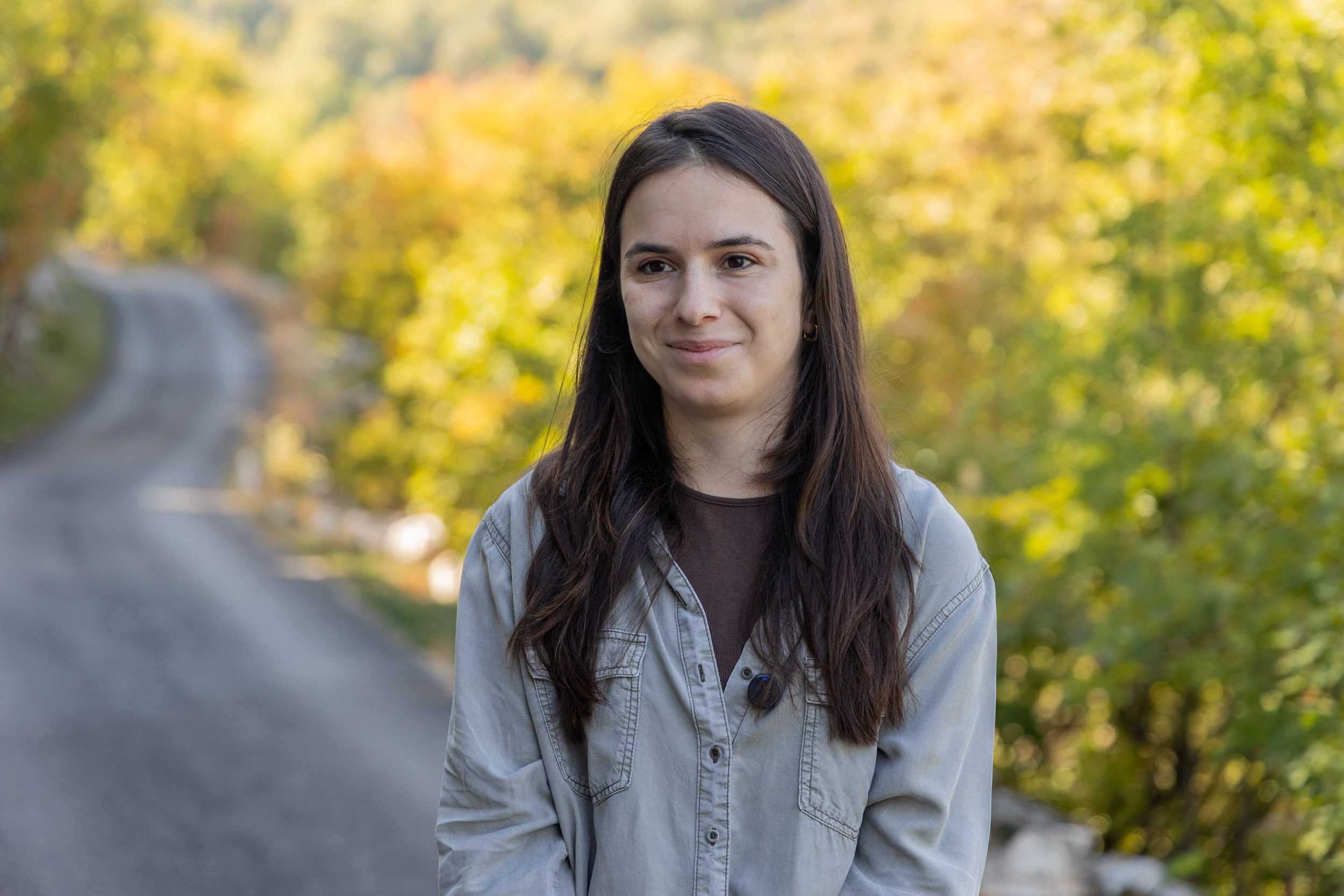
“Designation is an important first step. However, what truly makes an area protected and enables its long-term management is cooperation, funding and the involvement of the people who live there. Problems often arise during or after the designation process because there is no proper cooperation plan, or an adequate consultation process between the initiators, managing authorities and the local community,” Ilinčić pointed out.
She believes that people living in protected areas should not be treated merely as “stakeholders” consulted to meet minimum legal requirements, often after key decisions have already been made.
“They should be involved in the designation, planning and management processes, with clearly defined roles, rights, responsibilities and benefits. This is the only way to ensure that conservation efforts are sustainable in the long term,” Ilinčić said.
One example of how this could work, she explained, is through collaborative management, which could be established in Međureč, a canyon featuring an area of old-growth beech forest that has not yet been formally protected, as well as in many other places important both for nature conservation and for local communities.
“Pressures are increasing: new roads are being built and the risk of wildfires is growing. The issue is not whether people have the right to development, but how that development is planned and how its benefits are shared. Collaborative management means that landowners, local residents, institutions, the tourism sector and NGOs jointly plan and make decisions about an area. In this way, conservation is no longer something imposed from above, but something that emerges naturally, with local people actively involved in the process and in decision-making,” Ilinčić explained.
Speaking about other opportunities for nature conservation, she also introduced the concept of OECMs (Other Effective Area-based Conservation Measures) – areas that are not formally designated as protected areas but are managed in ways that ensure the long-term conservation of nature.
“Nature conservation may not be the primary objective, but it is nevertheless achieved. For areas such as Međureč, where land ownership is mixed, this approach can make a great deal of sense because it focuses on supporting good management practices rather than imposing restrictions,” Ilinčić explained.
For residents of Štitari, a village near Cetinje that attracted public attention following the discovery of the plant Petrolamium crnojevicii, nature conservation is also closely linked to preserving their way of life and the future of their village. EnvPro is also working with the local community in Štitari, together with Snežana Dragićević, who discovered the plant.

Slavko Radović, President of the Kosijeri Local Community Council, said that the greatest value of the area lies in its natural environment and its preservation, while solidarity among villagers is another important asset.
He explained that the most controversial issue had been the planned construction of a quarry, as the process lacked transparency.
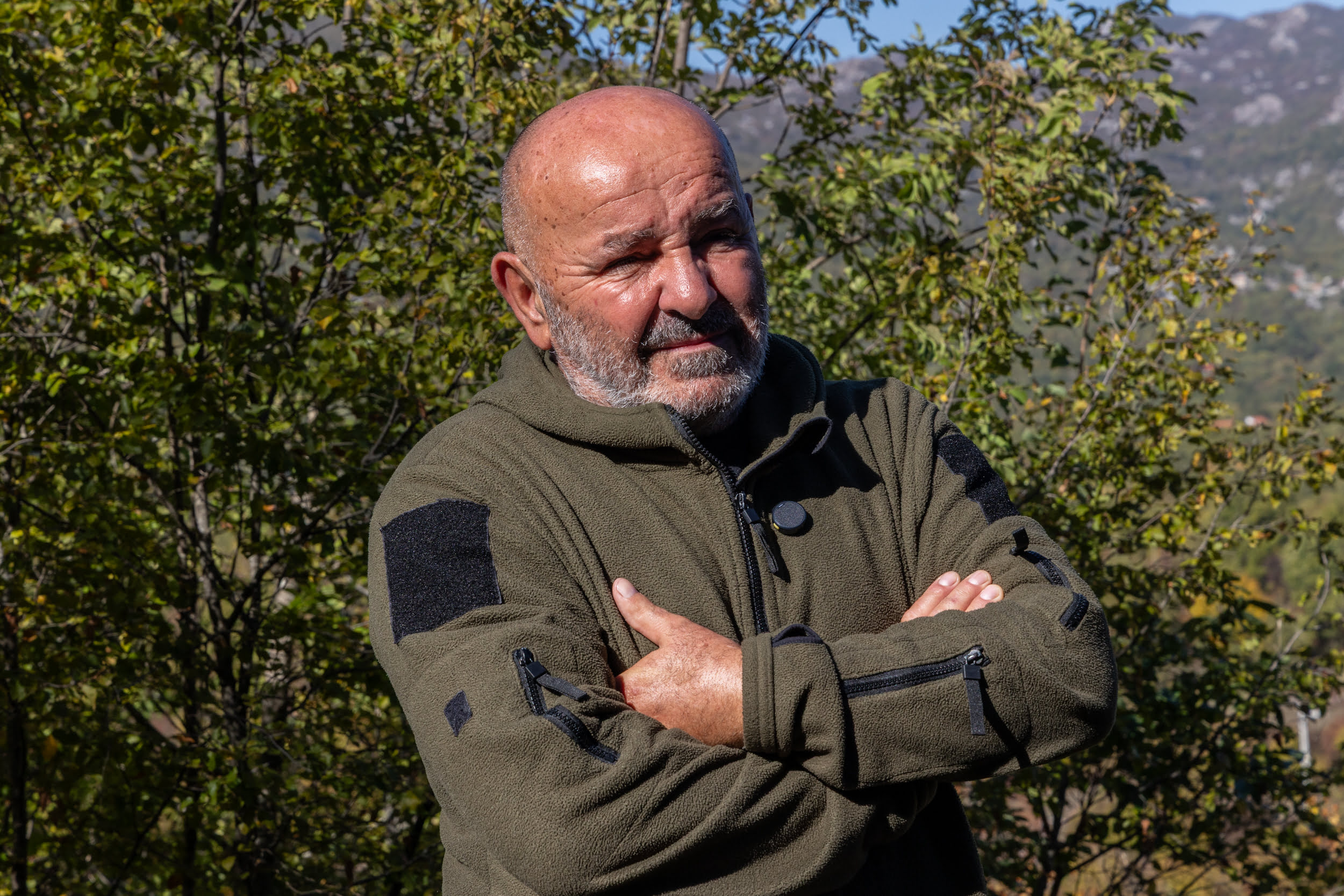
“The quarry would have undoubtedly destroyed our village and our local community, as well as neighbouring communities. It would have destroyed the roads and infrastructure we have spent years building,” Radović stressed.
He sees the discovery of Petrolamium crnojevicii as an opportunity for the future of the area.
“This area needs to be conserved, and we will be the ones initiating all activities related to that,” Radović said, calling on institutions to consult local communities before making decisions.
For retiree Ljubo Vujović, Štitari is his place of origin, a place he is always happy to return to.
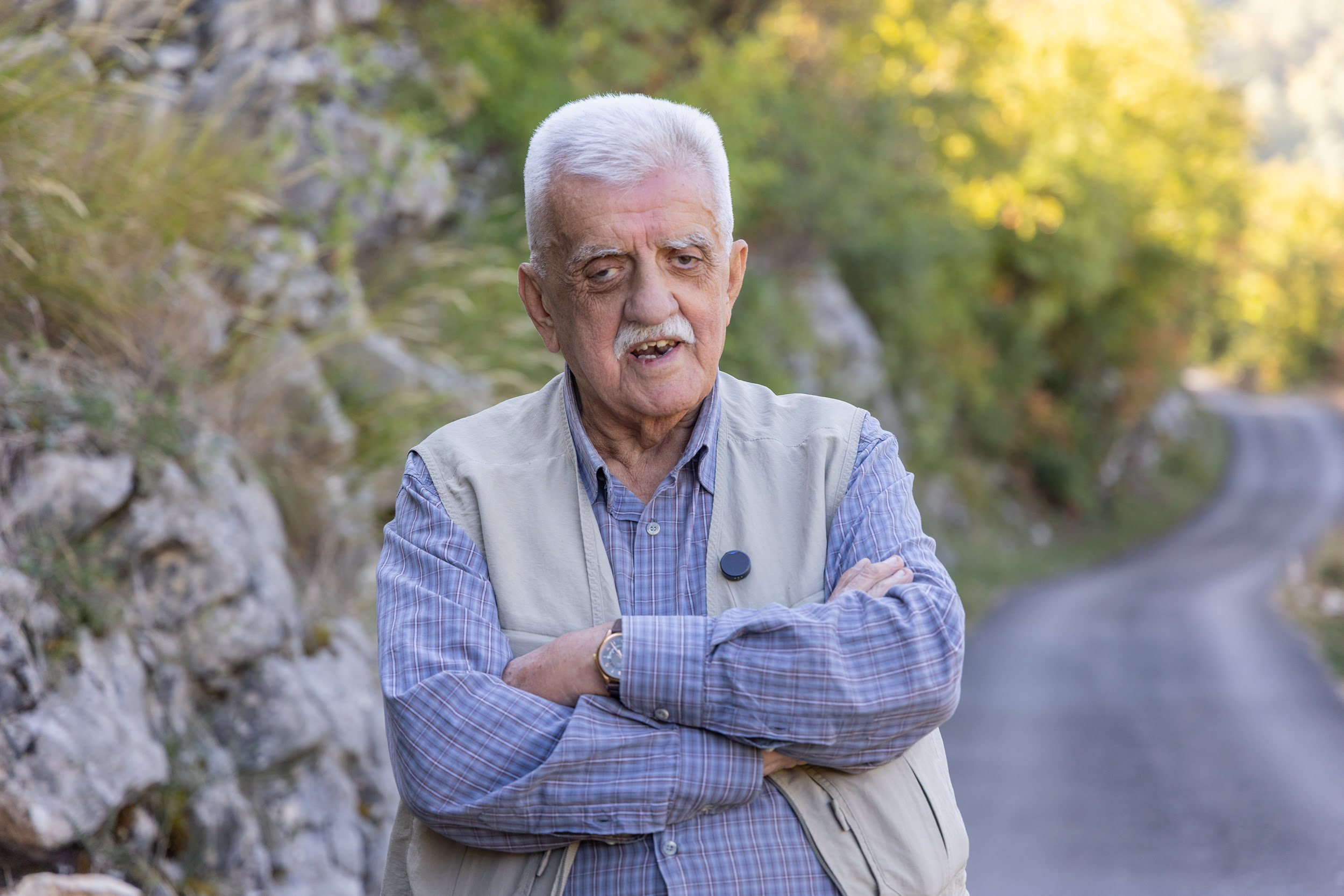
“We always feel at home in Štitari. There are four extended families in the village, all descended from the same ancestor. We do our best to preserve nature, and so far we have been successful. Wildfires are a potential threat. There have been no major ones in recent years, but that does not mean they cannot happen,” Vujović said.
He was both surprised and proud that Petrolamium crnojevicii had been discovered in this particular area.
“Štitari is 15 kilometres from Cetinje and 27 kilometres from Podgorica, so it is not that far away. The road is in reasonable condition, although it would be good to improve access during the winter. People mostly come at weekends to work on their properties. We have been looking after nature so far, but now we also need some support from the state and the municipality. It is important that institutions listen to what we have to say,” Vujović said.
Đuro Adžić, President of the Đinovići Local Community Council, sees the area's unspoilt natural environment as a special asset that should be preserved for future generations.
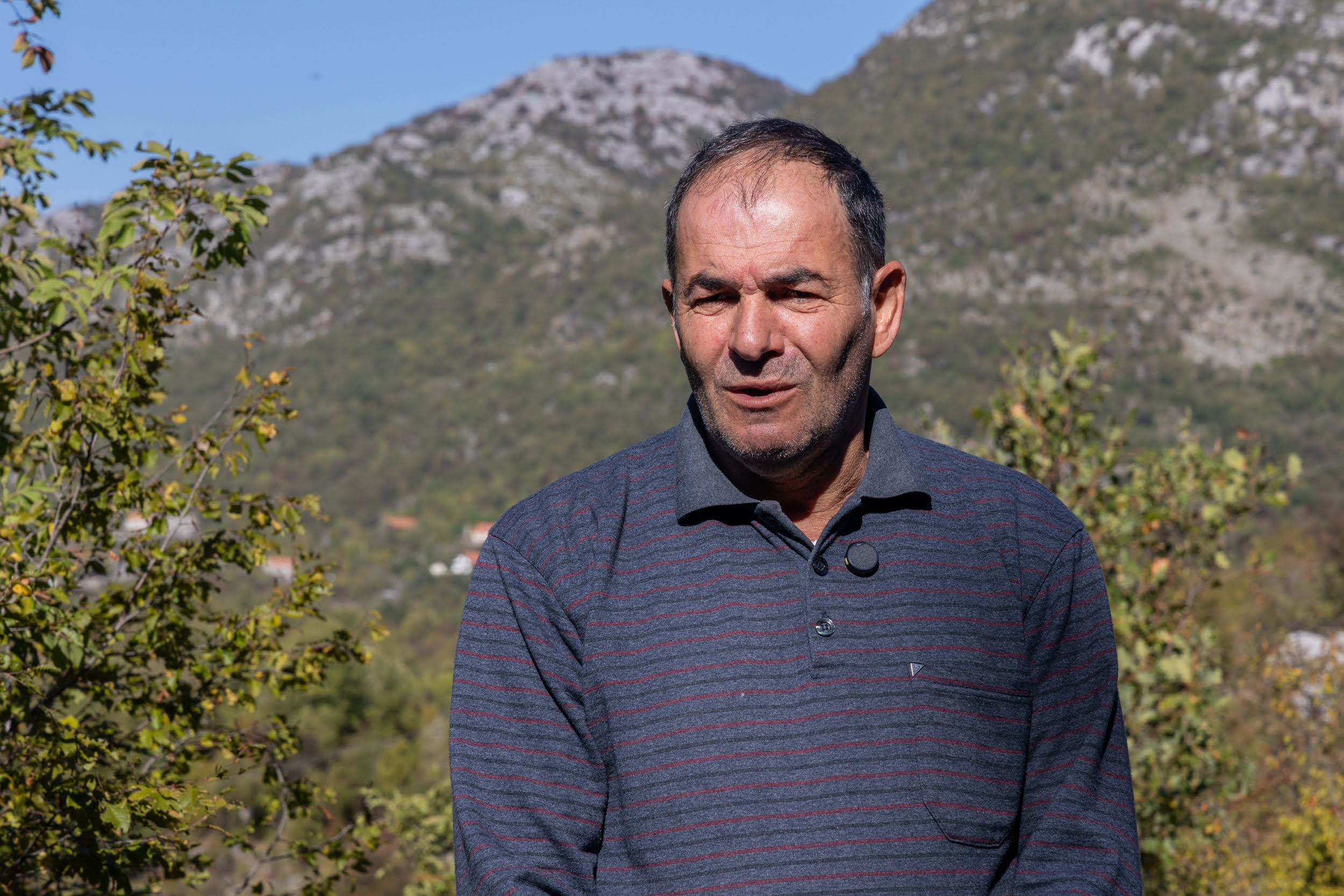
“One of the area's greatest assets is the community, which continues to live traditionally. People are engaged in agriculture, livestock farming and beekeeping, just as they have been for centuries. They understand the value of what they have, and we are working on education and raising awareness about the value of this area and the plant discovered here,” Adžić said.
He stressed that preserving the area is not easy and that it faces numerous threats.
“The state should protect the interests of its citizens, but unfortunately, that is not the case. The state is disrupting the balance of our lives. There was an attempt to open a quarry, which we, of course, did not allow. We stood up to defend our land and our natural environment. We organised ourselves together with neighbouring local communities,” Adžić stated.
He believes that while the discovery of Petrolamium crnojevicii is a positive development, caution is needed when it comes to large numbers of visitors.
“That is not something we want. We must make sure that everything is in keeping with our way of life. The discovery is certainly important for the wider community,” Adžić said.
He called on decision-makers to pay greater attention to the needs of local communities and rural development.
“All relevant ministries should be involved in conserving this plant and the area. Support is needed for road infrastructure, water supply and electricity so that young people can return to rural areas and start small businesses or engage in ecotourism,” Adžić concluded.
The project “Guardians of Natural Heritage” is implemented by the NGO Environmental Programme (EnvPro), in partnership with Parks Dinarides, with the support of the Belgrade Open School, within the Green Agenda Multiplier programme, funded by the European Union.
This material was produced with the financial support of the European Union. Its contents are the sole responsibility of the NGO Environmental Programme (EnvPro) and do not necessarily reflect the views of the European Union or the Belgrade Open School.


